Easy Vegan Chocolate Cake
 All Vegan Desserts60 recipes
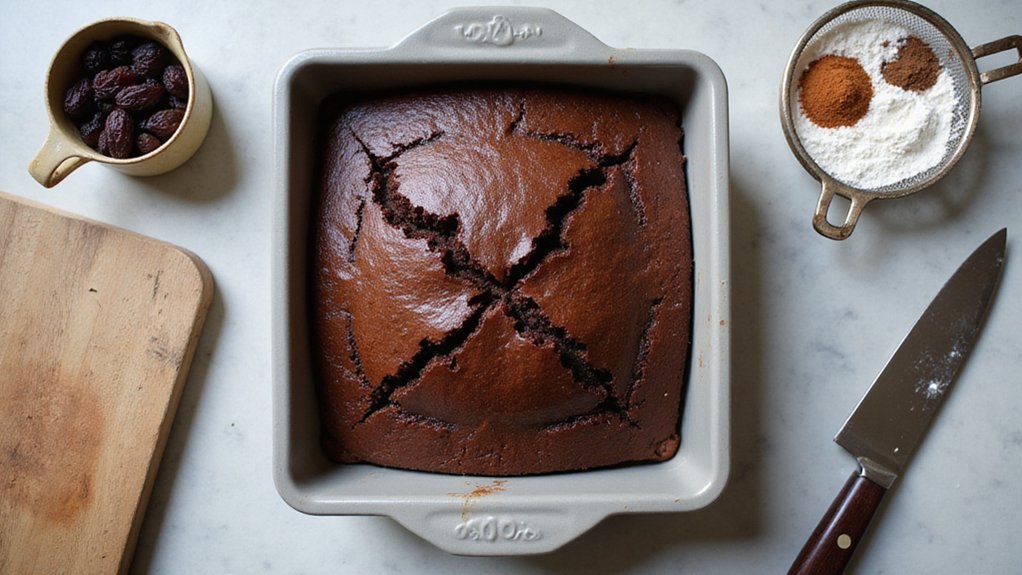
Cocoa powder, neutral oil, and a splash of vinegar give this cake a moist, tender crumb without eggs or dairy. It comes together in one bowl and bakes in under 40 minutes.
Decadent, Moist, Entirely Plant-Based
This vegan chocolate cake delivers rich and satisfying results while staying entirely plant-based. I’ve found that combining cocoa powder with oil and vinegar creates that deep, fudgy texture you’d expect from traditional cakes. The vinegar reacts with baking soda, creating lift and moisture without eggs. Water hydrates the flour while the oil provides richness. The result? A cake that’s genuinely decadent, stays moist for days, and contains zero animal products.
Simple Vegan Baking Essentials
This simple vegan chocolate cake requires only basic pantry staples that come together to create a moist, decadent dessert without any animal products. The combination of cocoa powder and a touch of acidity from cider vinegar creates depth of flavor, while the baking soda acts as a leavening agent to ensure a light, fluffy crumb. The oil keeps the cake tender and rich without the need for eggs or dairy, making this an accessible recipe for anyone following a vegan diet. Having the right baking tools and equipment* on hand will ensure your cake bakes evenly and turns out perfectly every time.
Make sure your cocoa powder is unsweetened so you have proper control over the cake’s sweetness level. All-purpose flour works well for this recipe, though some bakers prefer to use cake flour for a slightly more delicate texture. The cider vinegar is essential to the chemistry of this cake – it reacts with the baking soda to create lift and helps develop the chocolate flavor. If cider vinegar is unavailable, white vinegar or lemon juice can be substituted in equal amounts. Most of these ingredients are shelf-stable and commonly found in any kitchen, making this recipe particularly convenient for spontaneous baking.
Whisk Dry Ingredients First
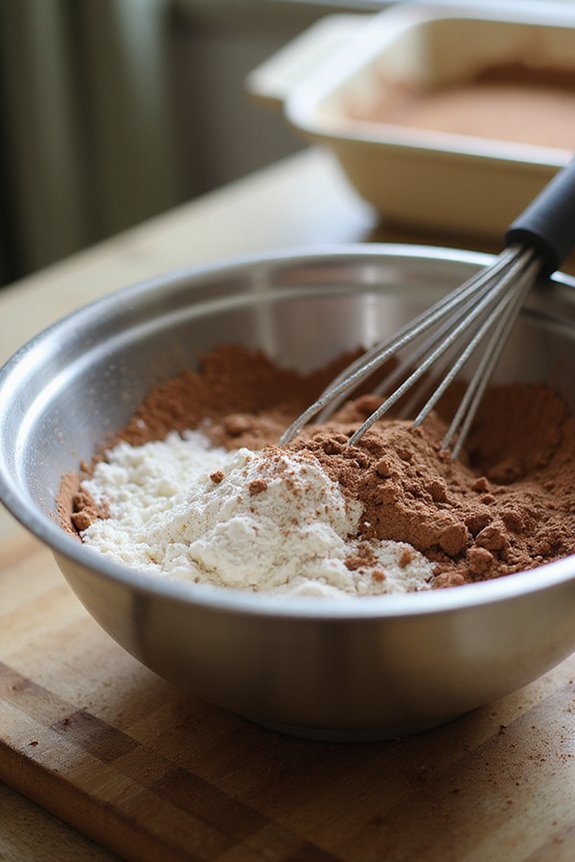
Begin by preheating your oven to 350 degrees F (175 degrees C) and greasing a 9×13-inch baking dish so your vegan chocolate cake won’t stick. In a large bowl, whisk together 3 cups all-purpose flour, 2 cups white sugar, 1/2 cup unsweetened cocoa powder, and 2 teaspoons baking soda. Whisking these dry ingredients together first ensures that the baking soda and cocoa powder are spread evenly throughout the flour, which helps the cake rise uniformly and gives you consistent chocolate flavor in every bite.
Once your dry ingredients are thoroughly combined, add 2 cups water, 1/2 cup canola oil, and 1/4 cup cider vinegar directly to the bowl. The vinegar reacts with the baking soda to create lift in this eggless cake, while the oil provides moisture and tenderness. Mix all the ingredients together until the batter is smooth and no lumps remain. The batter should have a consistent, pourable consistency at this stage.
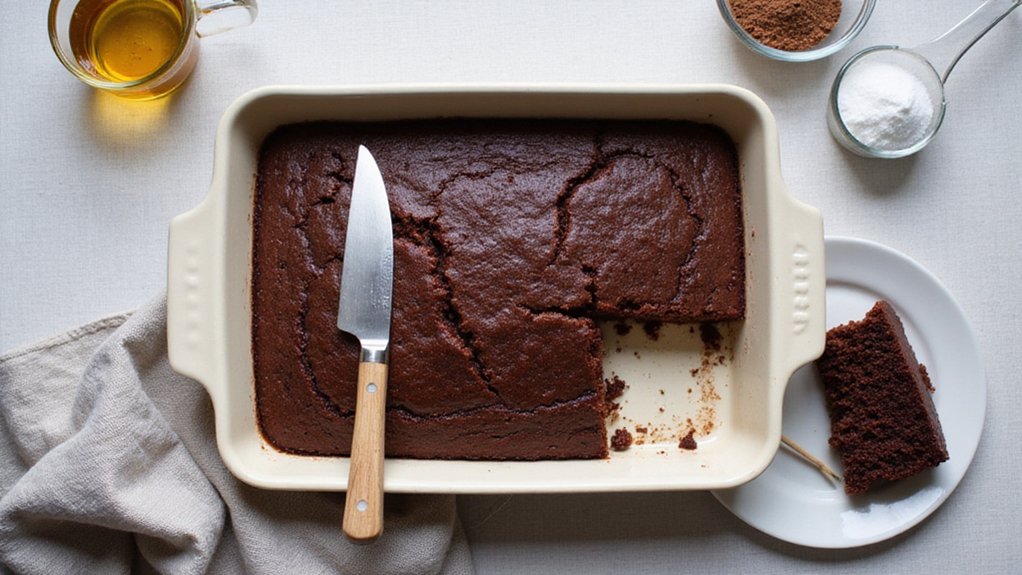
Pour the smooth batter into your prepared 9×13-inch baking dish and place it in the preheated oven. Bake for approximately 30 minutes, or until a toothpick inserted in the center of the cake comes out clean. This tells you that the cake is fully baked and set throughout. Allow the cake to cool in the pan before slicing and serving, which helps it set properly and makes portioning easier. For best results, consider using quality cake pans* designed to distribute heat evenly throughout your baking.
Oil Type Affects Cake Texture
While I mentioned that canola oil provides moisture and tenderness to your vegan chocolate cake, the type of oil you choose actually affects how your finished cake will feel in your mouth. Coconut oil creates a slightly denser crumb with a more noticeable cake structure, while avocado oil yields an incredibly moist and tender result. Vegetable oil sits somewhere in between, offering balanced moisture without affecting flavor. I’ve found that canola oil remains your best choice here because it doesn’t compete with chocolate’s richness. The oil’s neutral taste lets your cocoa powder shine, and it spreads evenly throughout the batter, giving you consistent texture throughout your entire cake.
Pair With Vegan Frosting
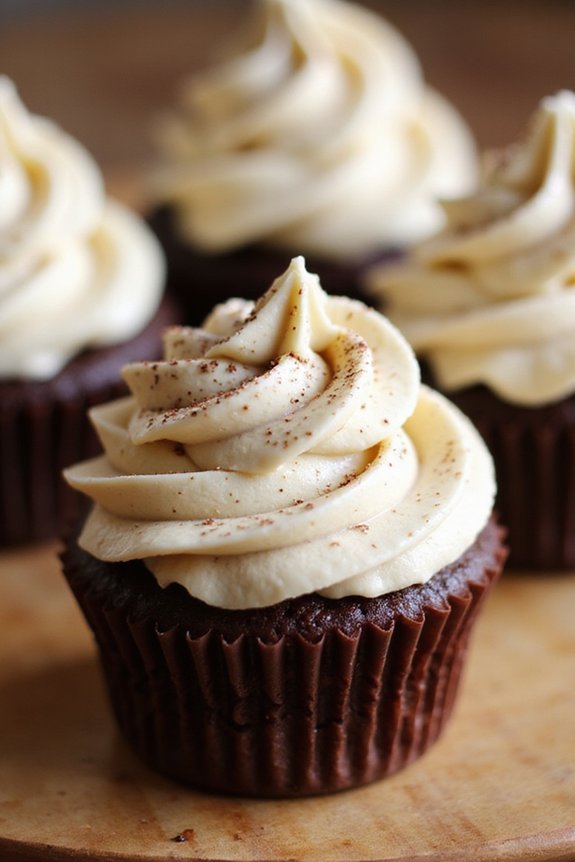
Your vegan chocolate cake deserves a frosting that matches its richness, and I’d recommend pairing it with a vegan buttercream made from dairy-free butter and powdered sugar. Beat softened vegan butter with powdered sugar until fluffy and light, which typically takes three to five minutes. Add a splash of non-dairy milk and vanilla extract for moisture and flavor depth. This frosting complements the cake’s deep cocoa notes perfectly. You can spread it between layers, frost the exterior, or pipe decorative swirls on top. The combination creates a dessert that satisfies without any animal products.
Final Thoughts
Since you’ve now learned the basics of making a rich, moist vegan chocolate cake and topping it with silky vegan frosting, you’re ready to bring this dessert to your table with confidence. This recipe’s magic comes from combining vinegar and baking soda, which creates lift without eggs. I’ve found that practicing this cake a few times helps you understand how it behaves in your specific oven. Don’t hesitate to adjust baking time slightly based on your results. Store leftover cake covered at room temperature for two days, or freeze it for later. You’ve got this!
Ingredients
Instructions
- 1 Preheat oven to 350°F (175°C). Grease a 9×13-inch baking pan or two 9-inch round cake pans with oil and dust lightly with cocoa powder.
- 2 In a large bowl, whisk together flour, sugar, cocoa powder, baking soda, and salt until no lumps remain.
- 3 In a separate bowl, combine water, canola oil, apple cider vinegar, and vanilla extract. Pour the wet ingredients into the dry ingredients and stir until just combined – a few small lumps are fine. Do not overmix.
- 4 Pour batter into the prepared pan(s). Bake for 30 to 35 minutes (9×13 pan) or 28 to 32 minutes (round pans) until a toothpick inserted in the center comes out clean.
- 5 Cool in the pan for 10 minutes, then turn out onto a wire rack and cool completely before frosting or slicing.