Best Shiitake Miso Soba With Crispy Tofu
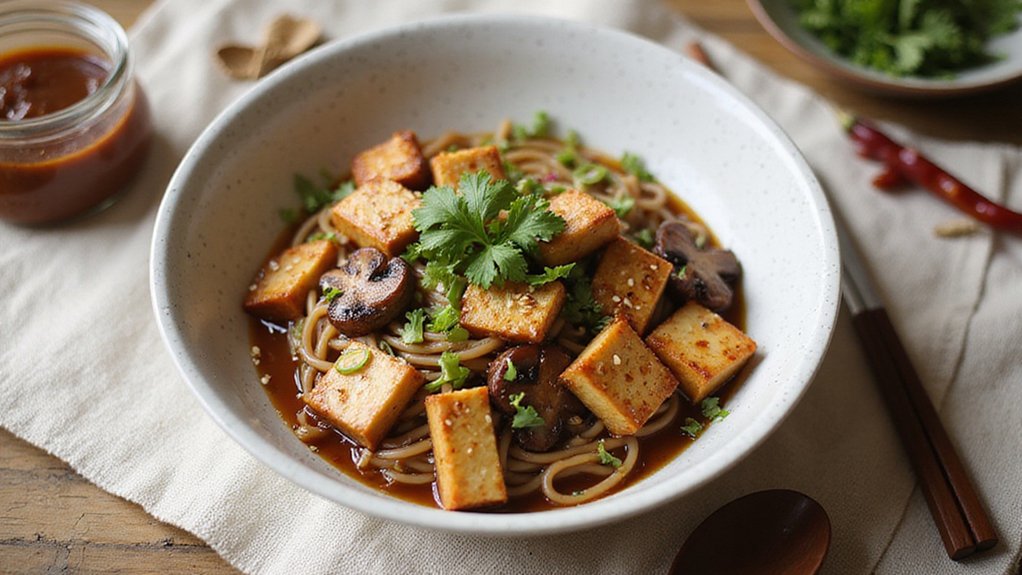
Shiitake mushrooms and soba noodles sit in a miso broth that builds most of its flavor from the mushroom soaking liquid. Crispy tofu goes on top with sesame seeds just before serving.
Crispy Tofu Meets Umami Broth
When you bite into a cube of crispy tofu floating in a deeply savory miso broth, you get two different textures and flavors that work together – and that’s what makes this dish satisfying. The tofu’s golden exterior gives you a nice crunch that works well with the creamy inside. At the same time, the umami-rich miso broth coats everything and pulls it all together. Drying your tofu before cooking makes it brown properly instead of steaming. A heavy-bottomed pot* keeps this from catching while it simmers. The white miso adds depth without taking over the delicate shiitake mushrooms and fresh greens, so you get a bowl that feels both nourishing and indulgent.
Tofu Prep Makes All the Difference
This vibrant and nourishing dish combines crispy tofu, tender vegetables, and delicate soba noodles in a rich miso-based sauce. The recipe balances umami flavors from the shiitake mushrooms and white miso with the subtle nuttiness of sesame oil and black sesame seeds. Each component is carefully prepared to ensure you get peak texture and flavor, from the golden-brown tofu cubes to the perfectly cooked soba noodles. A heavy-bottomed pot* keeps this from catching while it simmers.
Ingredients:
The quality of ingredients really affects the final dish. Extra firm tofu is essential for getting that crispy exterior without the tofu falling apart during cooking. Fresh shiitake mushrooms taste and feel better than dried varieties. Use certified vegan white miso paste made without dashi stock to ensure the recipe remains fully plant-based. Fresh sesame oil and fresh green onions as finishing touches will add to the overall complexity and authenticity of this Asian-inspired noodle dish.
Soba Noodles Cook Separately
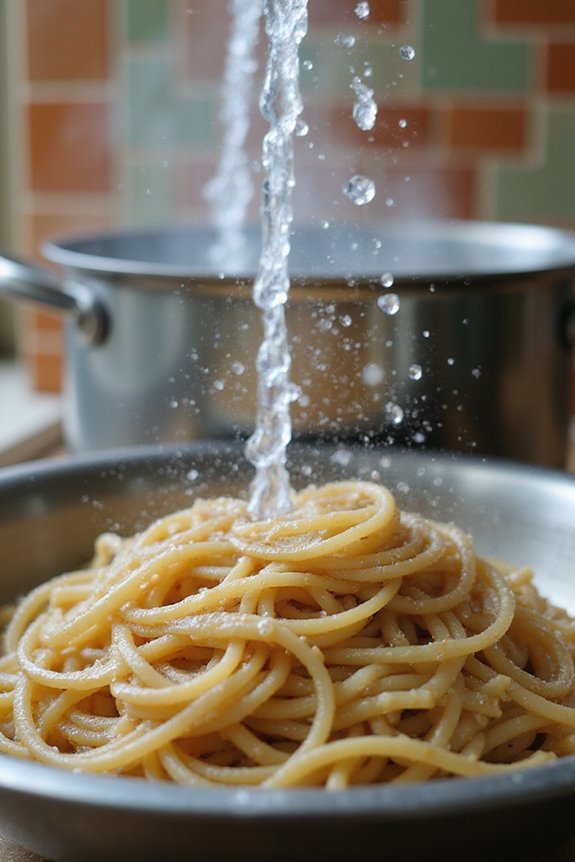
While the stir-fry components are coming together, begin heating 8 cups of water in a large pot over high heat and bring it to a rolling boil. Once the water reaches a hard boil, add the 13 ounces of soba noodles and cook according to package directions. This timing allows you to prepare the other elements of the dish without the noodles becoming overcooked or mushy. Once the noodles have finished cooking, drain them thoroughly and rinse with cold water. This rinsing step is important – it stops the cooking process and keeps the noodles from sticking together, so they stay separate and have the right texture when added to the final dish.
Cooking soba noodles separately matters for this recipe because it gives you real control over how done they are. Unlike adding them directly to the stir-fry, cooking them on their own means they won’t overcook from leftover heat or sitting too long in the sauce. By timing their preparation to match up with the stir-fry vegetables and tofu, you can put all the pieces together at exactly the right moment – after the vegetables have been sautéed and the crispy tofu has been browned. The cold water rinse is especially important for soba because it removes extra starch and helps keep the noodles’ delicate texture as you heat everything together at the end.
Try Different Mushroom Types
Although shiitake mushrooms are the star of this recipe, you don’t have to stick with them – you can swap in other varieties to create different flavor profiles and textures. Oyster mushrooms work well because they’re tender and soak up sauce beautifully. Cremini mushrooms offer an earthier taste if you prefer something deeper. Button mushrooms cook quickly and won’t get rubbery like shiitakes can. Maitake mushrooms add a slightly nutty flavor that works well with the miso sauce. The key is cutting them into similar-sized strips so they cook evenly. Experiment with different types to discover your favorite combination.
Black Sesame Seeds Add Crunch
Black sesame seeds are the finishing touch that improves this dish, and they’re worth finding at your local Asian market or online. Sprinkle them generously – about four tablespoons – right before serving, and they add a nutty flavor and satisfying crunch that works well with the soft noodles and tender vegetables. Unlike white sesame seeds, black ones have a stronger taste that complements the miso’s umami richness. The texture matters too; they don’t dissolve into the broth but stay crispy throughout eating. This final garnish makes your bowl feel like a restaurant dish.
Final Thoughts
This dish comes together nicely when you’ve got all your components ready, and the real benefit happens in how you bring them all together at the end. Don’t rush the final assembly – let each element heat through gently without simmering, which helps preserve the flavor of the miso. The combination of crispy tofu, tender vegetables, and chewy noodles creates a satisfying meal that’s both nourishing and delicious. You’ll find that this recipe rewards patience and attention to detail, resulting in a bowl that tastes restaurant-quality but costs a fraction of the price.
Ingredients