Authentic Japanese Miso Soup (Quick)
 All Vegan Soups45 recipes
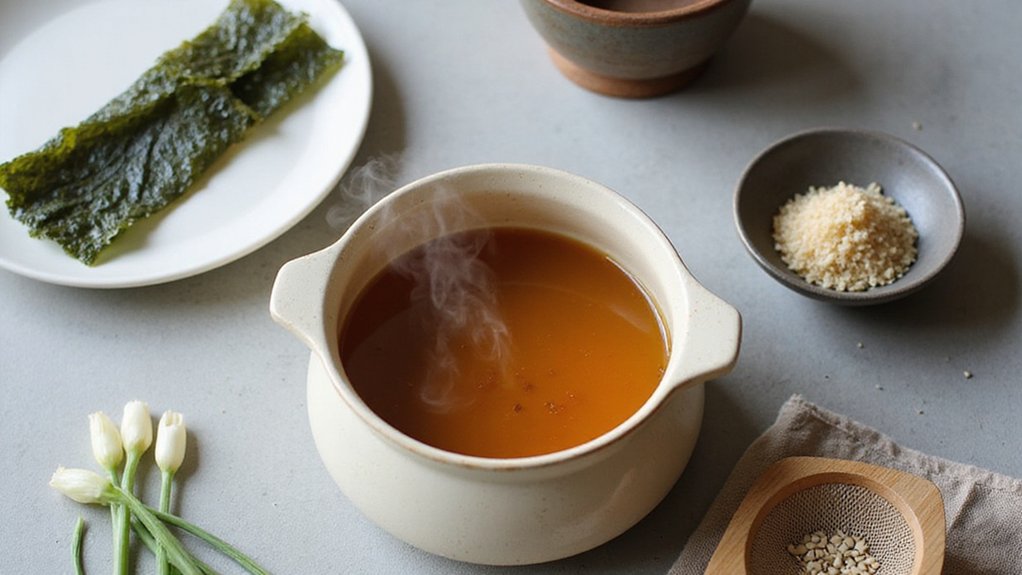
Instant dashi, wakame, tofu, and good-quality miso paste come together in minutes for a clean, warming bowl. Simple to adjust to taste by varying the miso amount.
Authentic Japanese Miso Soup (Quick)
If you’re craving authentic miso soup but don’t have thirty minutes to spare, you can still make a really good version by skipping the kombu soaking step and using instant dashi instead. Combine instant dashi with boiling water, then add your rehydrated wakame and diced tofu. Next, dissolve your miso in a small sieve directly into the hot stock, stirring gently to blend it completely without breaking down the tofu. The key here is avoiding high heat once you’ve added miso, since boiling ruins its beneficial probiotics and delicate flavor. Garnish with chives and serve immediately.
Essential Kombu and Wakame
Authentic Japanese miso soup relies on high-quality ingredients to get its distinctive umami-rich flavor and delicate balance. The foundation of this traditional soup begins with kombu and wakame, two essential sea vegetables that provide the deep, savory base that the entire dish is built on. These ingredients work together with other components to create a nourishing bowl that has been loved in Japanese cuisine for centuries.
Ingredients:
I look for kombu and wakame from reputable Asian markets or specialty suppliers to ensure I’m getting authentic and quality ingredients. The kombu should be relatively clean and free from excessive white powder, though a light coating is natural and you can gently wipe it away. Dried wakame should have a vibrant dark green color and pleasant ocean aroma. I also use quality miso – whether white, red, or mixed – because it really makes a difference in the final flavor.
Mastering the Dashi Stock Base
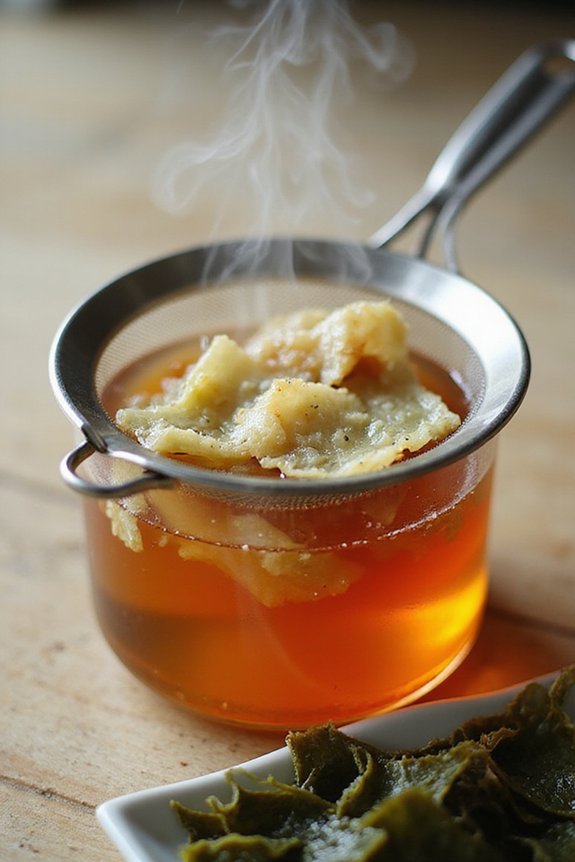
The foundation of authentic Japanese miso soup begins with creating a proper dashi stock, which requires careful attention to timing and temperature. Start by soaking 50 cm of kombu in cold water in a saucepan for half an hour, allowing it to gradually release its umami-rich flavors into the water. Once the kombu has sufficiently swollen, bring the water to a boil, but remove the kombu immediately as soon as the water reaches a rolling boil. This critical step prevents the kombu from losing its delicate texture and subtle flavor, which would compromise the entire broth. Allow the temperature to drop so the water becomes warm but is no longer simmering, creating the right conditions for the next stage of stock development.
With the kombu broth at the proper warm temperature, you can add optional vegetable-based flavoring ingredients if desired and allow them to steep for 2 minutes. Strain the mixture through a sieve into a fresh saucepan, discarding the spent solids. Bring this clarified dashi stock to a boil, creating a clean, flavorful base that is now ready to receive the remaining soup ingredients.
Miso Paste Quality Matters Most
Now that you’ve got your dashi stock simmering and ready, what you add next will really matter for your whole bowl of miso soup. You need quality miso paste. Skip the cheap stuff because it’ll taste thin and boring. Hunt down authentic Japanese miso from a trusted source, preferably unpasteurized varieties that pack real flavor. Red miso brings depth and richness, while white miso offers sweetness and subtlety. Read labels carefully and check the ingredient list. Real miso contains just soybeans, salt, and koji culture, nothing else. Your soup deserves this investment.
Pair With Crispy Gyoza Dumplings
While your miso soup tastes great on its own, pairing it with crispy gyoza dumplings makes your meal more filling and complete. The contrast between the soup’s warm, savory broth and the dumplings’ crispy outside works really well together. Pan-fry your gyoza until they’re golden and crunchy, then dip them into the soup or eat them alongside it. The savory filling goes perfectly with the miso, and the different textures keep each bite interesting. Japanese restaurants serve them together because they pair well. Using silicone dumpling molds* makes it easy to prepare homemade gyoza with consistent shapes and sizes for an authentic presentation.
Final Thoughts
Once you’ve mastered this authentic miso soup recipe, you’ll realize how simple it is to create a restaurant-quality dish at home with just a few quality ingredients and careful attention to timing. Respecting each ingredient’s role – from the kombu’s umami to the miso’s delicate flavor – makes all the difference. Don’t rush the process; those thirty minutes soaking aren’t wasted time.
Ingredients
Instructions
- 1 Soak dried wakame in cold water for 5 minutes, then drain and squeeze out excess water; set aside.
- 2 Bring dashi stock to a gentle simmer in a medium saucepan over medium heat; add tofu cubes and wakame and heat for 2 minutes.
- 3 Reduce heat to low. Place miso paste in a small ladle or fine-mesh strainer and lower it into the hot broth; stir until fully dissolved, about 30 seconds — do not boil after adding miso.
- 4 Ladle into bowls, garnish with sliced chives, and serve immediately.